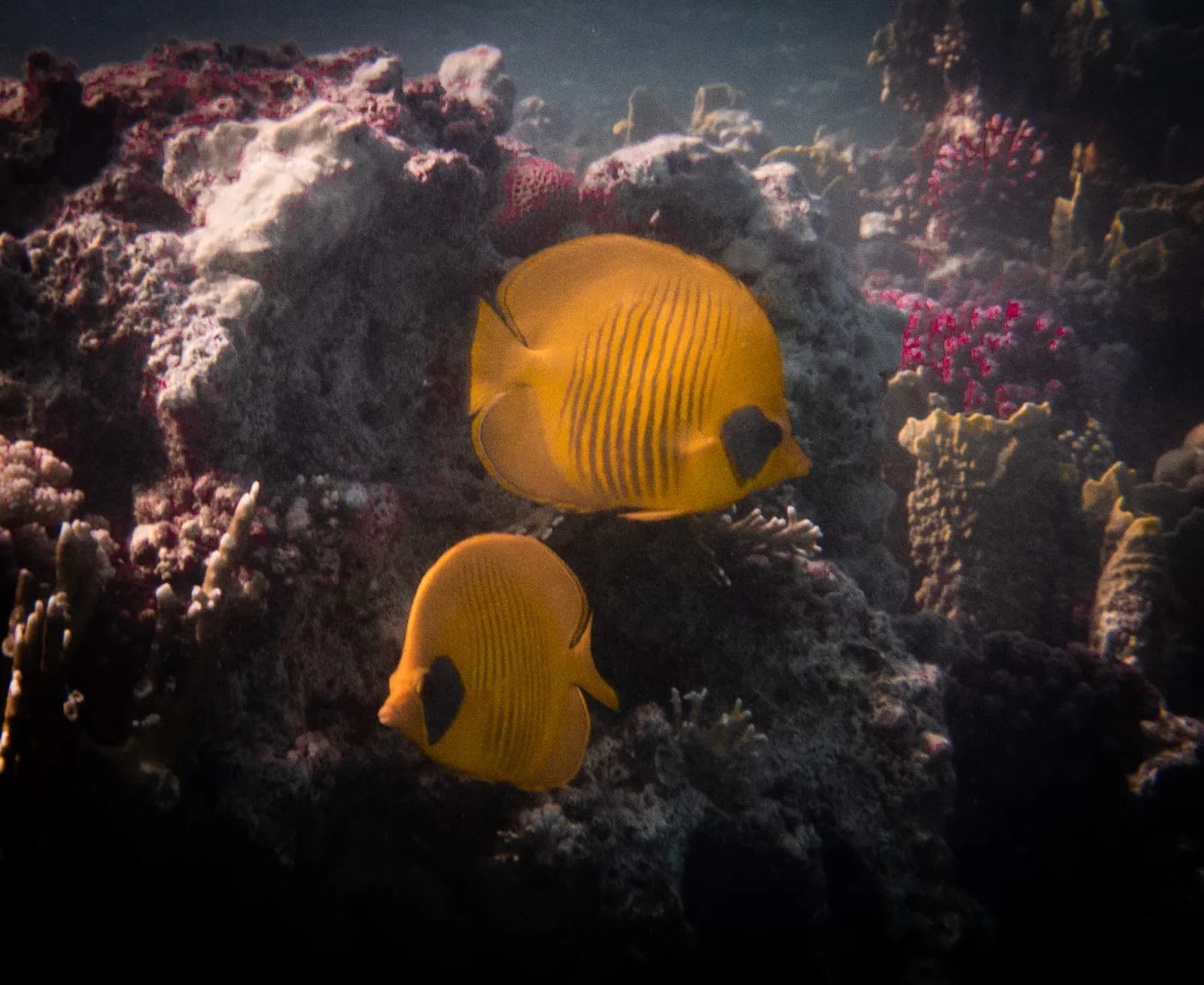
Shallow Hard Coral Gardens
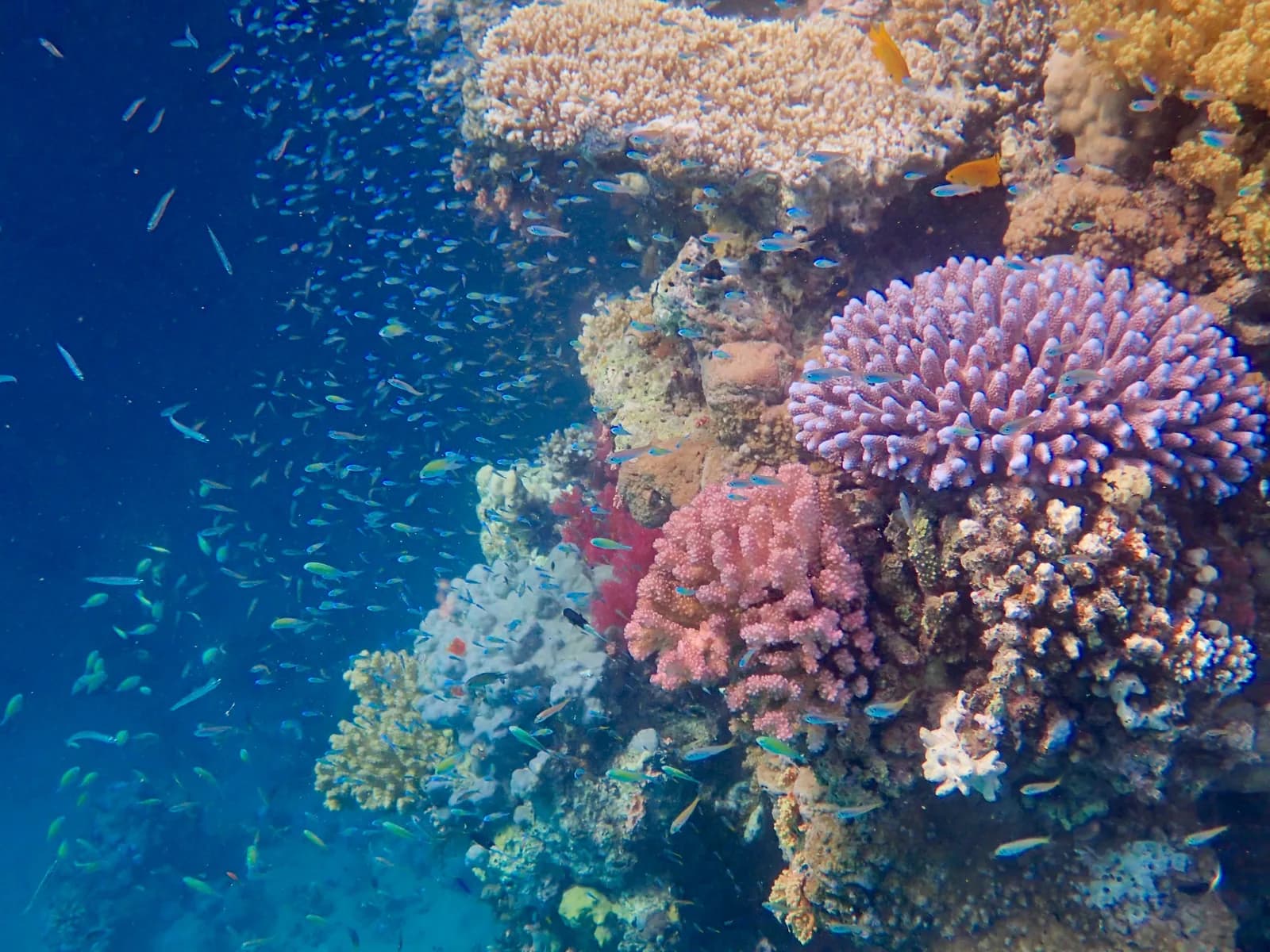
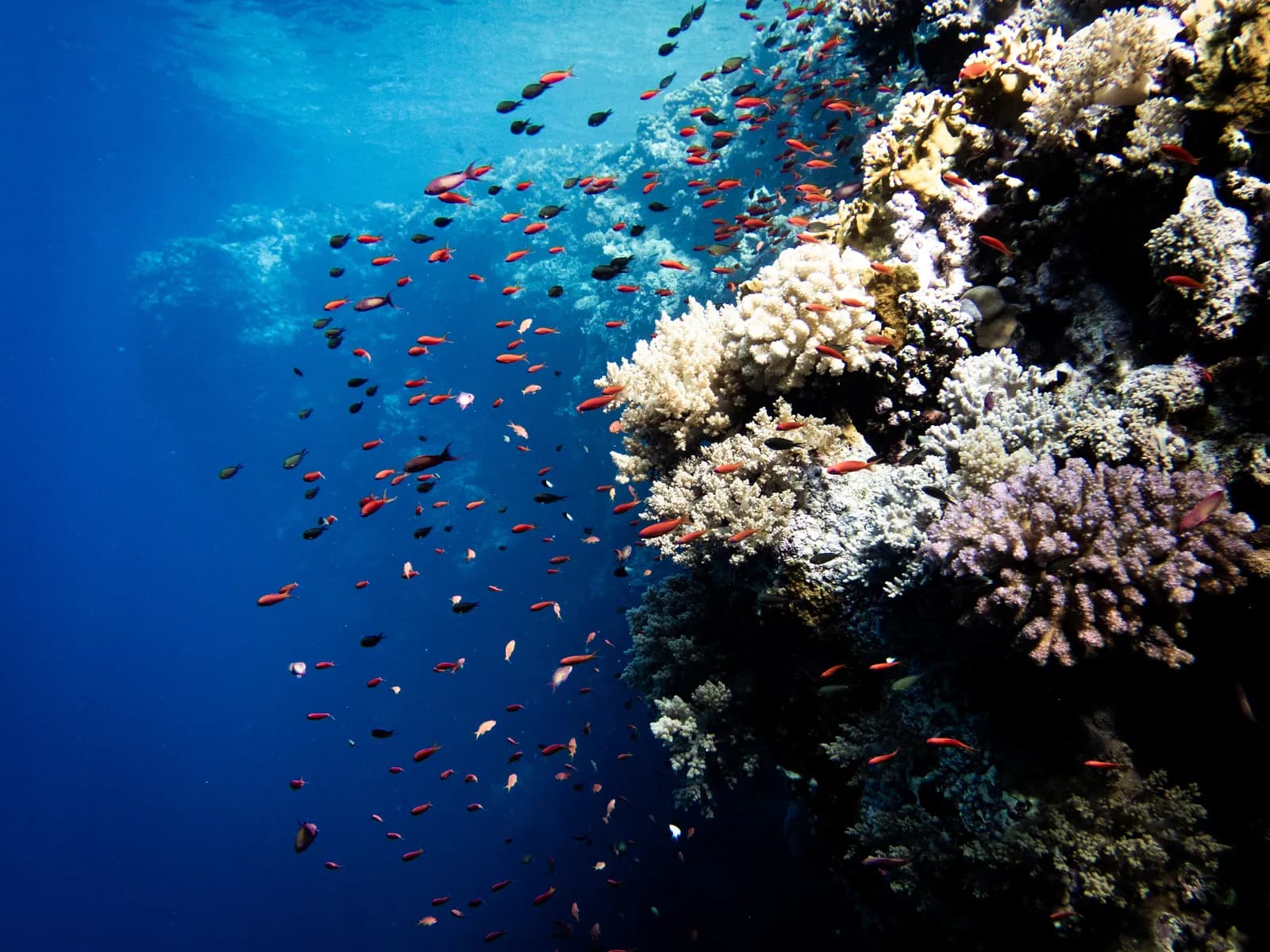
The easy, bright reef zone: table corals, staghorn branches, brain corals, butterflyfish, parrotfish, anemonefish, anthias, and often turtles passing over the reef edge.

Marine Life . Reef Ecosystem
The Red Sea reef is the living city behind every dive: coral architecture, clouds of reef fish, turtles, rays, macro life, and dramatic offshore walls. This page helps you choose the reef style that fits your level and what you want to see.
200+
Coral species in the Red Sea
1,200+
Reef fish species
15-40m
Typical visibility
24-29C
Water temperature range
Why Marsa Alam reefs are special
Marsa Alam sits on one of Egypt's strongest reef coastlines. Unlike busier northern resort areas, many local reefs still feel spacious: shore bays for calm two-dive days, seagrass-and-coral habitats for turtles and dugongs, and offshore walls where current brings soft coral, schooling fish, and pelagic life.
The best reef day depends on wind, current, your certification level, and what you want from the dive. New divers usually start with Marsa Assalaya, Egla, Shouna, or Tondoba. Confident divers looking for bigger scenery can move to Shaab Marsa Alam, Samadai outer reef, Sataya, or Elphinstone.
Reef habitats

The easy, bright reef zone: table corals, staghorn branches, brain corals, butterflyfish, parrotfish, anemonefish, anthias, and often turtles passing over the reef edge.

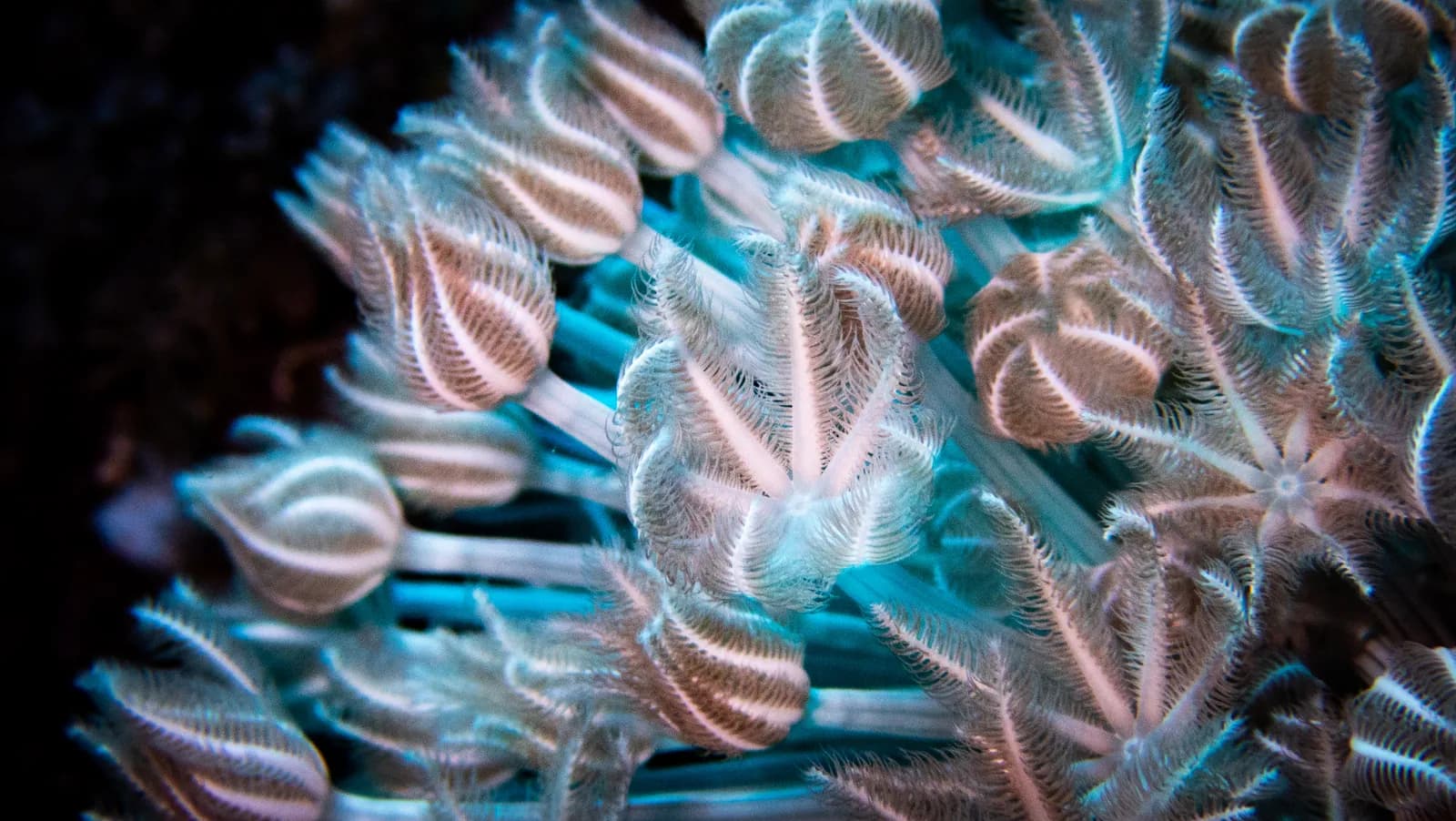
Current-fed walls where pink, orange, and red soft corals open into the flow. These dives feel more dramatic, with gorgonian fans, anthias clouds, tuna, barracuda, rays, and seasonal sharks.

Where sand, seagrass, and coral meet, the wildlife changes. These edges are prime ground for green turtles, blue-spotted rays, garden eels, razorfish, pipefish, and occasional dugong encounters.

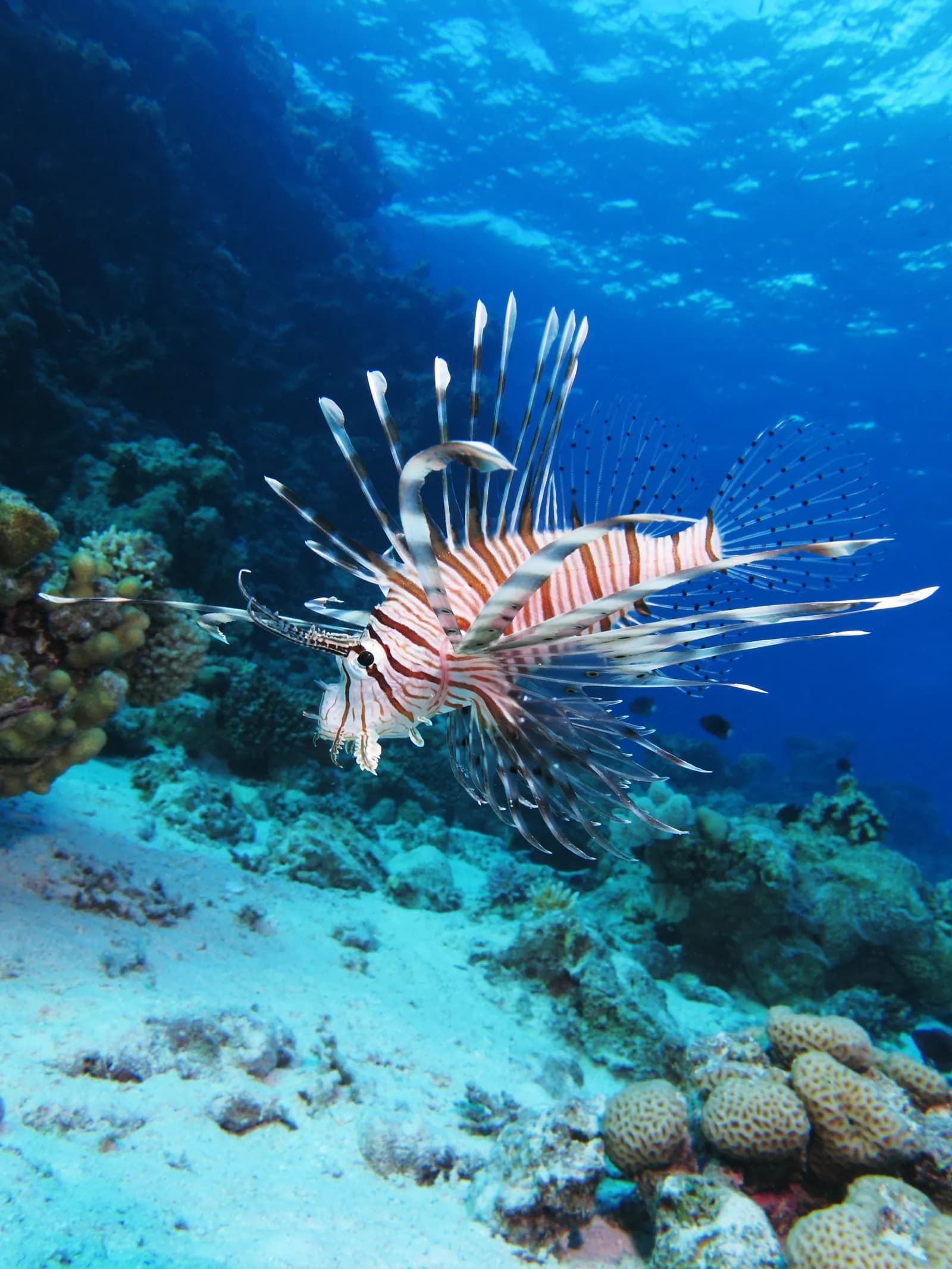
Three-dimensional reef structure creates light shafts, cleaning stations, sheltered cracks, and fish corridors. Expect glassfish, lionfish, morays, shrimps, nudibranchs, and excellent wide-angle scenes.
What lives on the reef
A healthy reef is a full ecosystem: builders, cleaners, grazers, hunters, hiding places, nurseries, and current-fed feeding stations.

Soft coral, table coral, staghorn, brain coral, fire coral, and gorgonian fans build the reef structure.

Anthias, butterflyfish, angelfish, parrotfish, surgeonfish, triggerfish, wrasse, groupers, and fusiliers.

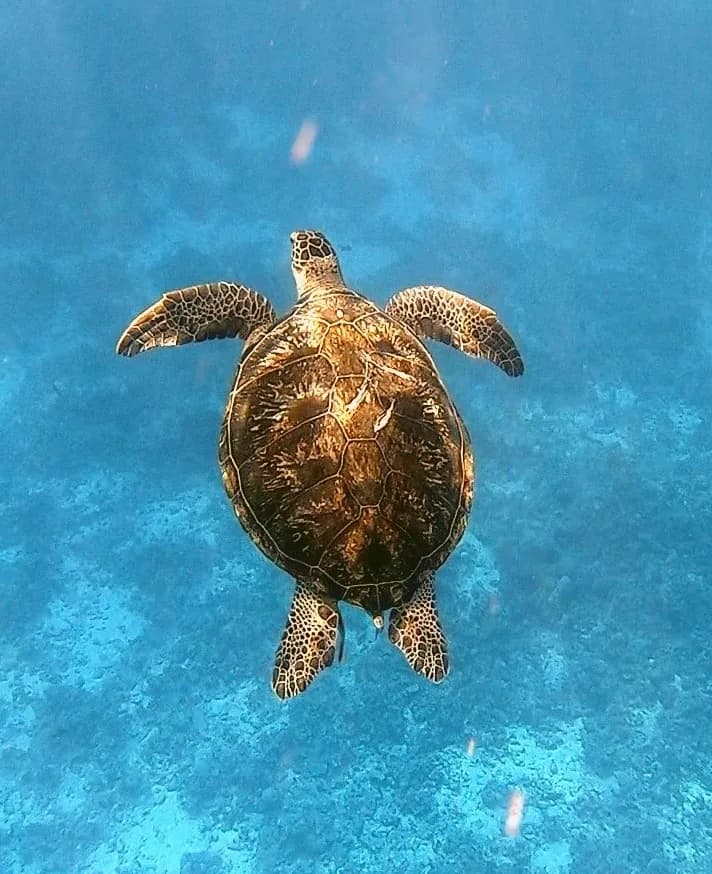
Green turtles feed over seagrass and hawksbills pick through coral-rich reef slopes.

Crocodilefish, nudibranchs, shrimps, octopus, cuttlefish, scorpionfish, and hidden reef residents.
Best reef dive sites
Marsa Assalaya is one of the easiest and most useful shore dives close to Marsa Alam town. The site sits around 8 km north of the marina and is entered directly from a wide sandy bay, so there is no boat timing, no current stress, and no long surface swim. Two reef arms frame a shallow lagoon before the profile gently drops over hard coral gardens, making it excellent for first dives after travel, Open Water training, buoyancy practice, and relaxed photographers who want time with reef fish instead of depth. The main value here is comfort: simple logistics, calm water, a forgiving sandy bottom for briefings and skills, and enough coral life on both sides to keep certified divers interested for two easy dives.
A wide sheltered bay 11 km north of Marsa Alam, fronted by seagrass meadows and a healthy fringing reef on both arms. Green turtles browse the seagrass year-round; dugong sightings are seasonal but possible (typically Oct–Apr). The east arm is the more interesting dive, with crocodilefish hidden on the sand and small caves at 18–22 m. Calm conditions and easy walk-in entry make Marsa Egla one of the best near-town training sites that still rewards experienced divers with quality marine life.
A peaceful shore site 30 km north of Marsa Alam offering a healthy coral garden, an easy walk-in entry, and the kind of calm conditions that make Marsa Alam famous. Excellent for training dives, refreshers, and chilled-out photography days.
A protected lagoon-bay 10 km south of Marsa Alam with rich coral cover, seagrass beds, and reliable turtle sightings. One of the best photo spots on the south coast.
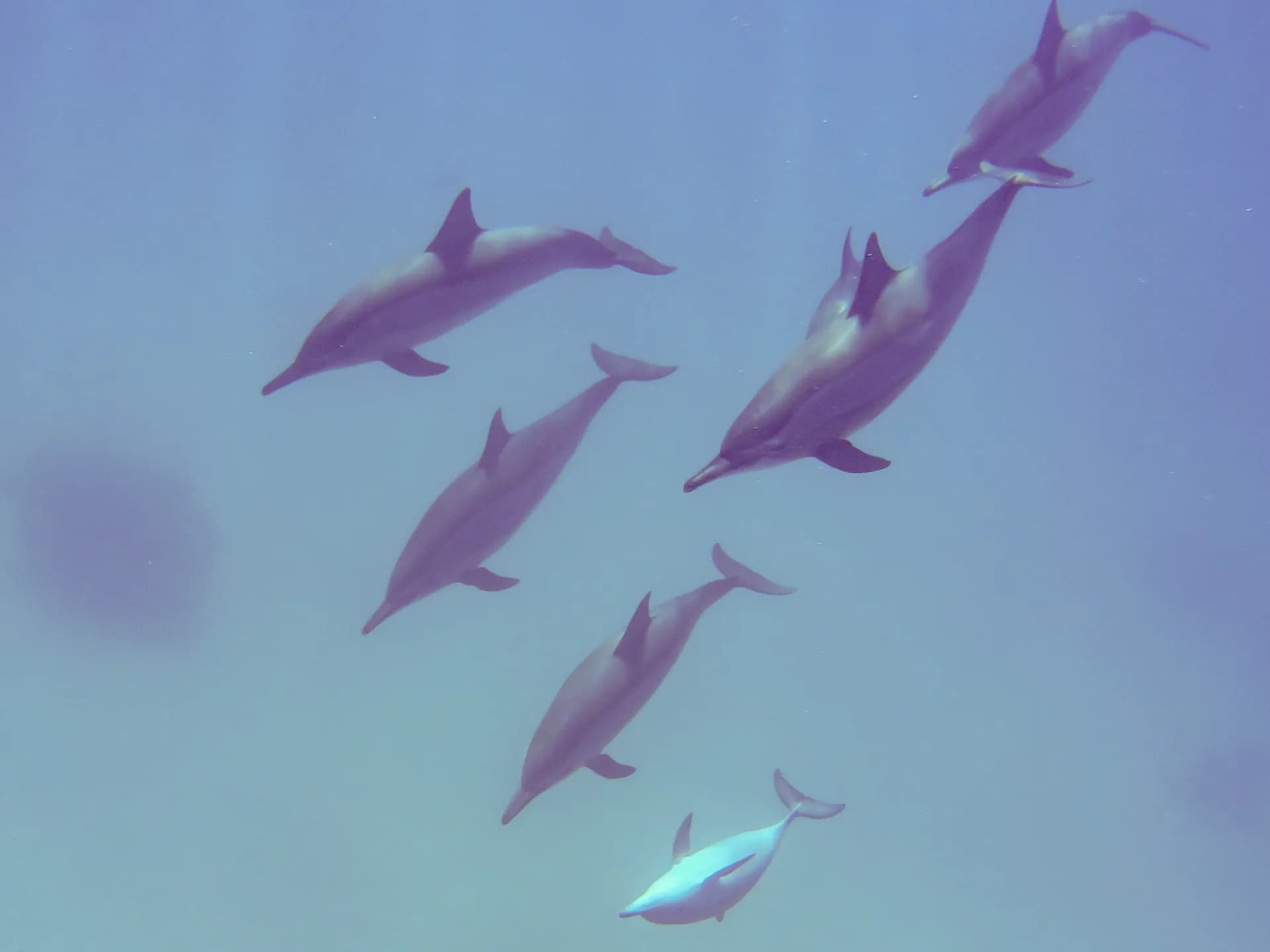
A horseshoe-shaped reef 9 km offshore where a resident pod of ~60–80 spinner dolphins rests during the day. Access is regulated by HEPCA under a three-zone system — Zone A is closed (dolphin sanctuary), Zone B is restricted snorkeling with a permit, and Zone C is the outer reef where divers explore three classic dive sites: the South-West Pinnacles, the South-East Pinnacles, and the Caves. Permits cap daily visitors and boat numbers.
A horseshoe-shaped offshore reef just 3 km out of Marsa Alam harbour — the closest blue-water dive to town. The lagoon side hosts a sandy plateau with garden eels and stingrays at 8–14 m, while the outer wall drops to 30 m+ and carries a string of small pinnacles where reef sharks and Napoleon wrasse cruise. Green turtles browse the inner reef. A versatile site we use as a half-day boat option or paired with Sha'ab Abu Sail for a two-tank morning.
The icon of Marsa Alam diving. A long, narrow plateau (around 300 m by 30 m) running roughly north–south in open water 30 km north of Marsa Alam town and 12 km off the coast. The plateau tops out at 5–8 m and drops away on both sides as sheer walls; the southern tip plunges into the famous arch at 55–80 m. Soft-coral curtains, schooling fusiliers, and the Red Sea's most reliable shark action — oceanic whitetips in late autumn, hammerheads in summer.
The southernmost reef in the Fury Shoals complex and the largest spinner-dolphin sanctuary in the Egyptian Red Sea. Sataya is a crescent-shaped barrier reef enclosing a 4 km lagoon where pods of 100–200 spinner dolphins rest during the day before heading offshore at night to hunt. The reef itself drops to 30 m+ on its outer wall and shelters multiple coral pinnacles, soft-coral overhangs, and a healthy hard-coral plateau. Day-trip access is long (a 2–2.5 h crossing each way from Hamata harbour); most operators run it as a one- or two-night safari from a fast boat.
Send your hotel, certification level, and whether you prefer turtles, coral gardens, macro, swim-throughs, or offshore walls. We'll recommend the right reef and timing.